

Why “Getting Ready’ Photos Are a Must on Your Elopement Day
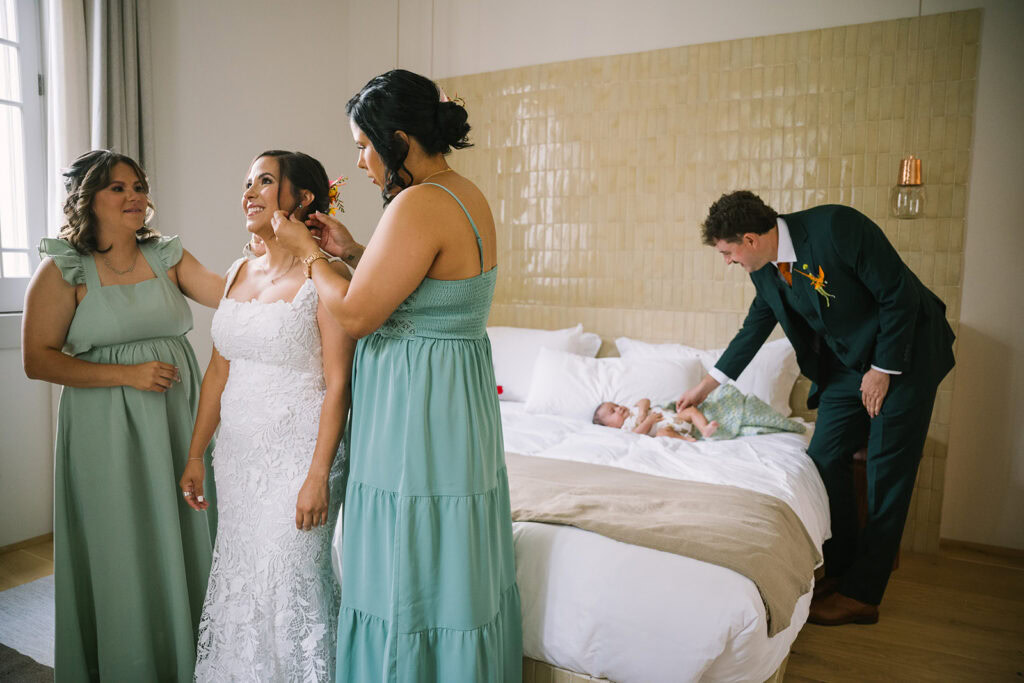
Elopements are often framed as pared-back, efficient, and uncomplicated. While that can be true structurally, it does not mean the day itself lacks emotional depth or narrative. In fact, because elopements are intentionally smaller and more focused, the way the day is documented matters more, not less.
One of the most commonly overlooked parts of an elopement timeline is getting ready coverage. It is often assumed to be unnecessary or reserved for traditional weddings. In practice, getting ready photos play a critical role in how an elopement day is remembered and understood over time.
Getting Ready Photos Establish Narrative Context
Photography is not only about capturing key moments; it is about creating a coherent record of how a day unfolded. Getting ready photos provide context. They document the beginning of the day rather than only its outcomes. This includes the moments before the ceremony when anticipation, nerves, and quiet reflection are present. These images help establish a sense of progression, allowing the gallery to function as a complete story rather than a series of isolated highlights.
Elopements Are Shorter by Design, Which Makes Pacing More Important
Elopement days typically move more quickly than traditional weddings. There are fewer formal transitions and less external structure. As a result, time can feel compressed, particularly once the ceremony begins.
Including getting ready photos introduces intentional pacing. It creates a slower entry into the day and allows space for the couple to settle emotionally before the ceremony. From a documentation standpoint, it also provides visual and temporal balance, preventing the final gallery from feeling rushed or condensed.
Personal Details Are Part of the Historical Record
Clothing, accessories, written vows, rings, and other personal items are often selected with care. On an elopement day, these details tend to receive even more attention because the focus is narrower and more intentional.
Once the couple is dressed and the day progresses, many of these elements disappear from view. Getting ready photos preserve them in their original state, before they are worn, moved, or altered by the flow of the day. Over time, these images often become valuable reference points, capturing choices that might otherwise be forgotten.
Elopements Allow for Shared Preparation
Unlike traditional weddings, elopements do not require couples to get ready separately. Many couples choose to share the preparation process, whether that means dressing in the same space, helping each other with final details, or spending quiet time together before the ceremony.


Getting Ready Photos Serve a Structural Role in the Gallery
From a photographic perspective, getting ready images contribute to the overall composition of the final collection. They introduce interior environments, softer light, and slower movement, which contrast with outdoor locations and more dynamic scenes later in the day.
This variation helps create a more balanced and cohesive gallery. Without it, elopement photos can feel visually repetitive or abruptly sequenced, even if the individual images are strong.
Why These Photos Matter More When Guest Count Is Low or Zero
In traditional weddings, guests often witness parts of the pre-ceremony experience indirectly through stories, movement, or shared anticipation. In an elopement, there are typically no witnesses to this phase of the day.
Getting ready photos become the only record that the emotional lead-up occurred at all. They serve as evidence that the day was not simply a logistical sequence, but a lived experience with a beginning, middle, and end.
This is particularly important for couples who later share their gallery with family members who were not present.
Fun Fact: The Role of Getting Ready Photos in Memory Formation
Memory research consistently shows that transitional moments – the periods immediately before major events – are often less clearly remembered than the events themselves. Stress, anticipation, and novelty compress perception of time.
Getting ready photos function as external memory markers. They provide visual reference points for moments that are otherwise difficult to recall with clarity. When couples look back at these images, they often reconstruct not only what happened, but how the day entered their body and awareness.
This is especially relevant for elopements, where the emotional intensity is often concentrated into a shorter time frame.
The Importance of Environment
The effectiveness of getting ready photos is influenced by the environment, but the space does not need to be elaborate. What matters most is light, privacy, and a sense of calm.
Hotel rooms, private residences, and thoughtfully chosen accommodations often provide neutral, controlled settings that support documentation without distraction. These environments allow the focus to remain on the people and the moment rather than the logistics of the space.

Long-Term Value
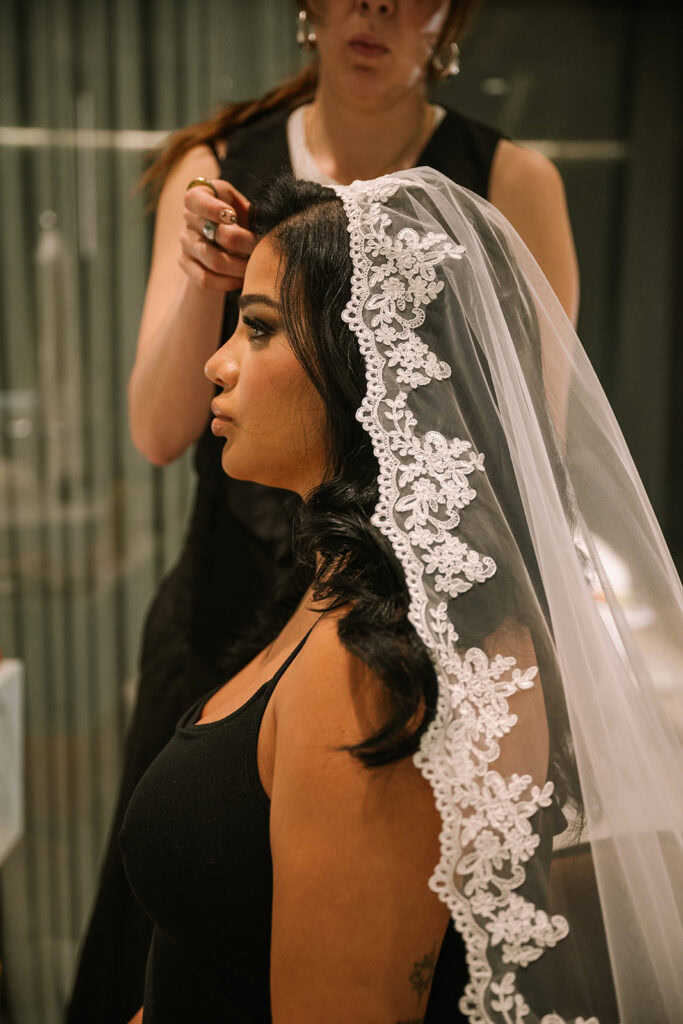
Couples often underestimate the significance of getting ready photos at the time of planning. However, when reviewing galleries years later, these images frequently carry unexpected emotional weight. They capture a version of the day that exists only briefly: before the ceremony, before the shift in identity, and before the outside world enters fully into the experience.
Conclusion
Getting ready photos are a practical and meaningful component of documenting an elopement day. By providing narrative context, supporting intentional pacing, preserving personal details, and contributing to a cohesive photographic record, getting ready coverage helps ensure that an elopement is remembered not only for what happened, but for how the day began.
